
The Cold War was a geopolitical conflict between the United States and the Soviet Union, which lasted from the end of World War II until the collapse of the Soviet Union in 1991. It was called a "cold" war because there was no direct military conflict between the two superpowers, but there was a constant tension and competition between them.
The Origins of the Cold War
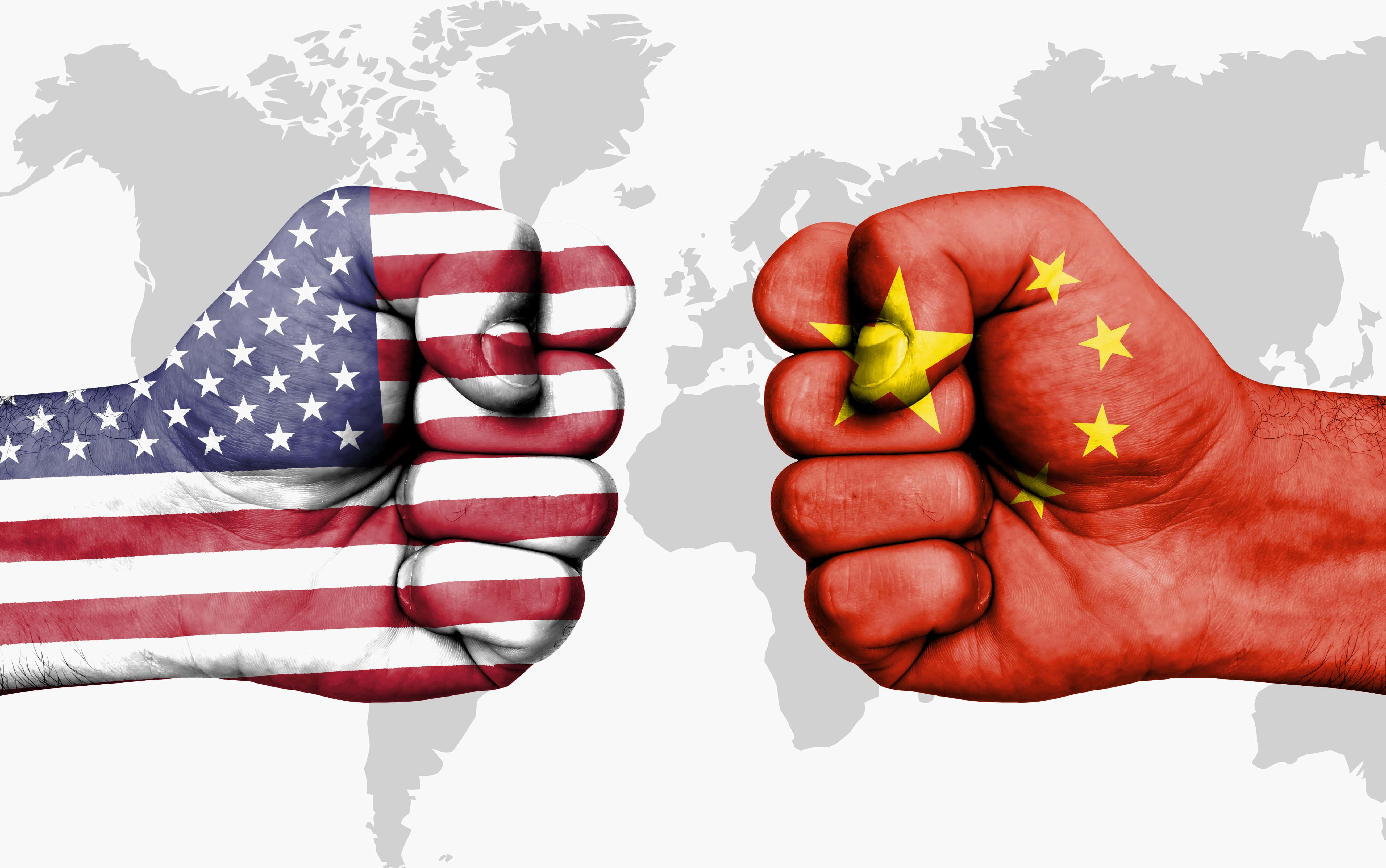
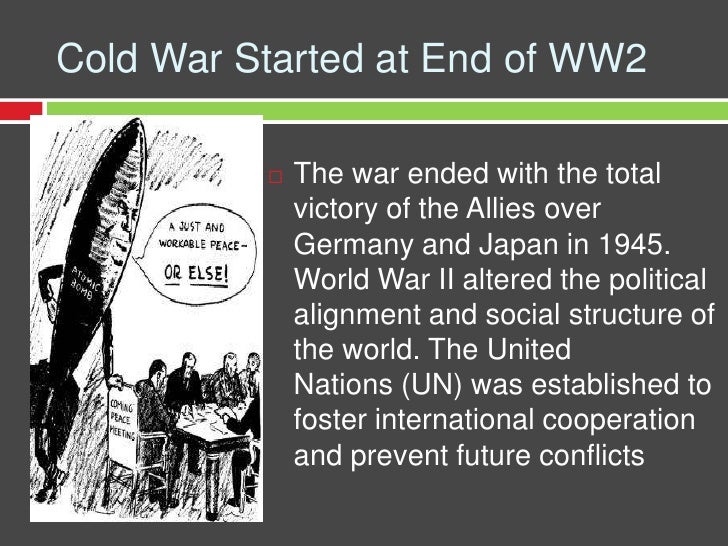
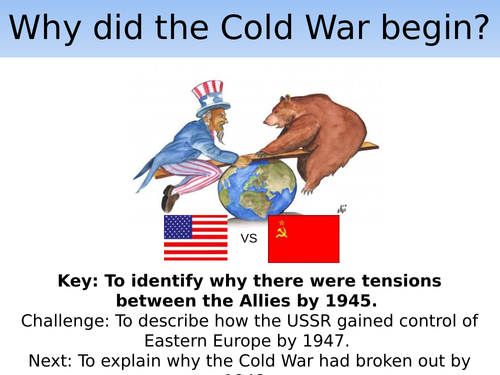
The origins of the Cold War can be traced back to the end of World War II. The Soviet Union and the United States emerged as the two dominant world powers, with vastly different political and economic systems. The Soviet Union was a communist state, while the United States was a capitalist democracy.
The differences between the two countries led to a series of confrontations and conflicts, including the Soviet blockade of Berlin in 1948, the Korean War, and the Cuban Missile Crisis.
The Beginning of the Cold War
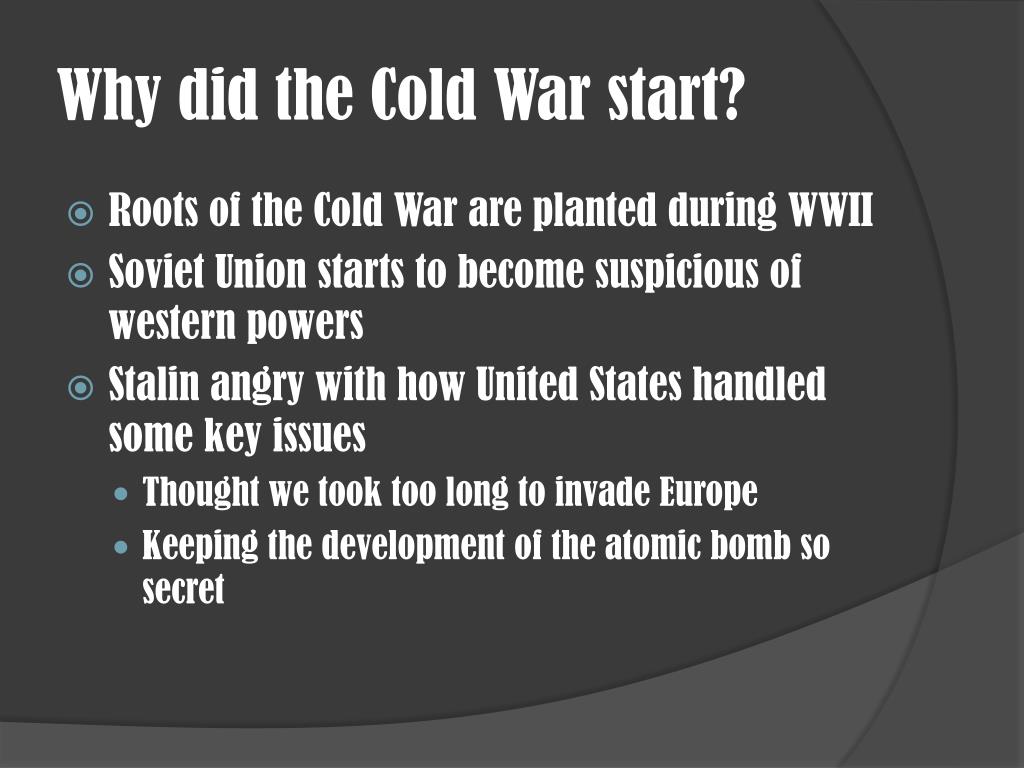
The beginning of the Cold War is generally considered to be the Yalta Conference in February 1945. At this conference, the leaders of the Allied powers, including Soviet Premier Joseph Stalin, British Prime Minister Winston Churchill, and U.S. President Franklin D. Roosevelt, met to discuss the post-war reorganization of Europe.
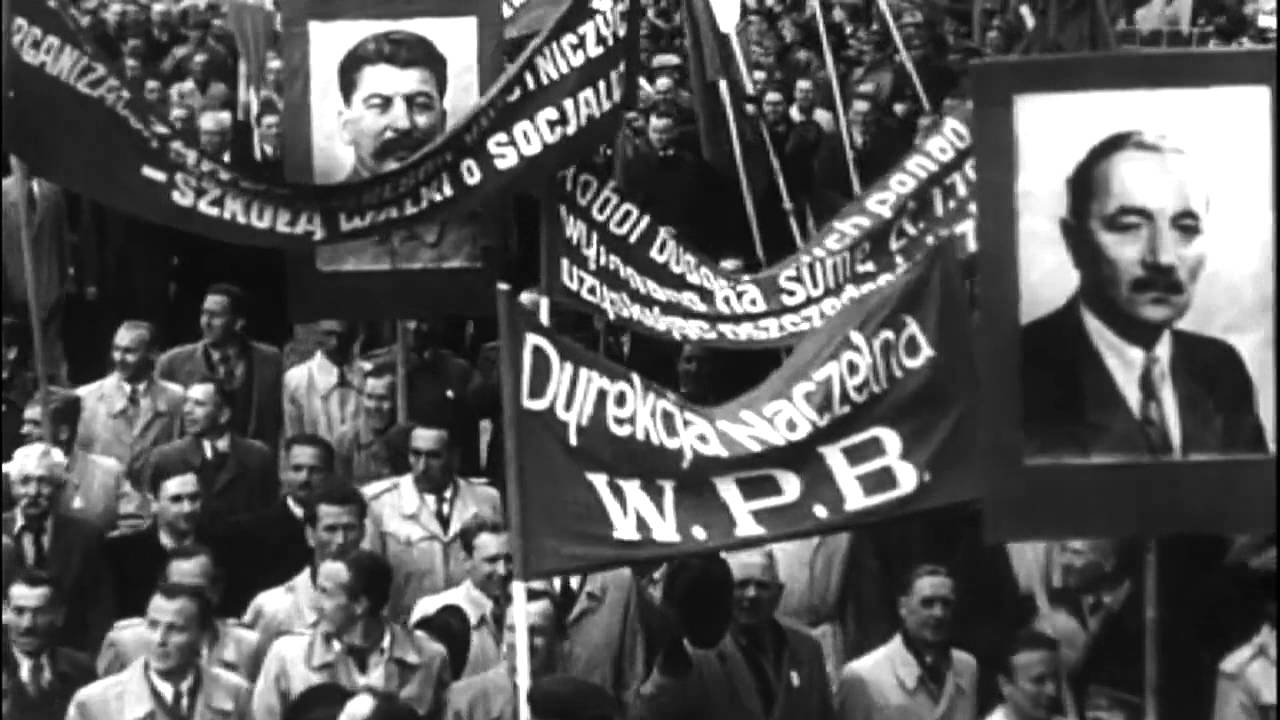
At the conference, the Soviet Union was granted control of Eastern Europe, which would later become known as the Eastern Bloc. This move was seen as a threat to the United States, which had traditionally been isolationist and had little interest in Europe.
The Truman Doctrine

In 1947, U.S. President Harry S. Truman announced the Truman Doctrine, which stated that the United States would provide military and economic aid to countries threatened by communism. This move was seen as a direct challenge to the Soviet Union's influence in Eastern Europe.
The Truman Doctrine was followed by the Marshall Plan, a massive aid package that provided economic assistance to Western Europe. This move was seen as an attempt to rebuild Europe and prevent the spread of communism.
The Berlin Airlift
In 1948, the Soviet Union imposed a blockade on Berlin, which was located in the Soviet-controlled zone of Germany. The United States responded with the Berlin Airlift, which provided food and supplies to the people of Berlin by air.
The Berlin Airlift was a massive logistical operation, and it lasted for almost a year. It was seen as a clear demonstration of the United States' commitment to its allies in Europe.
The Korean War
The Korean War began in 1950, when North Korea invaded South Korea. The United States and its allies, including the United Nations, intervened on behalf of South Korea, while the Soviet Union and China supported North Korea.
The Korean War was a brutal conflict, and it lasted for three years. It ended in a stalemate, with North Korea and South Korea divided along the 38th parallel.
The Cuban Missile Crisis
In 1962, the Soviet Union placed nuclear missiles in Cuba, which was located just 90 miles from the United States. U.S. President John F. Kennedy responded with a naval blockade of Cuba, and the two superpowers came dangerously close to nuclear war.
The Cuban Missile Crisis was a pivotal moment in the Cold War, and it demonstrated the potential catastrophic consequences of a direct military conflict between the United States and the Soviet Union.
The End of the Cold War

The Cold War ended in 1991, with the collapse of the Soviet Union. The Soviet economy was in shambles, and the country was unable to keep up with the United States' military and technological advancements.
The end of the Cold War marked a new era in world history, with the United States emerging as the world's sole superpower.
Conclusion
The Cold War was a period of intense geopolitical competition and tension between the United States and the Soviet Union. It was characterized by a constant arms race, proxy wars, and a constant threat of nuclear war.
The Cold War had a profound impact on world history, shaping the political and economic landscape of the world for decades to come.