
One of the most common symptoms of pregnancy is morning sickness. It's a feeling of nausea and vomiting that usually occurs in the first trimester. While it's not entirely clear what causes morning sickness, there is one hormone that is believed to play a significant role.
What is Morning Sickness?
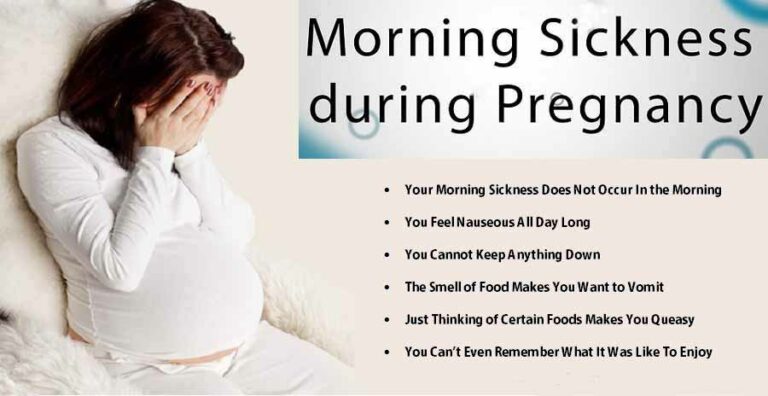
Before we dive into the hormone responsible for morning sickness, let's first define what it is. Morning sickness is a term used to describe the nausea and vomiting that some women experience during pregnancy. It usually starts around the sixth week of pregnancy and peaks around the ninth week. However, some women may experience it throughout their entire pregnancy.
The Hormone Responsible for Morning Sickness

The hormone responsible for morning sickness is called human chorionic gonadotropin, or hCG. This hormone is produced by the placenta and is responsible for maintaining the pregnancy. The levels of hCG increase rapidly during the first trimester, which coincides with the peak of morning sickness symptoms.
How Does hCG Cause Morning Sickness?
While the exact mechanism by which hCG causes morning sickness is not entirely understood, it's believed that the hormone affects the part of the brain that controls nausea and vomiting. Studies have shown that women with higher levels of hCG are more likely to experience morning sickness.
Other Factors That Contribute to Morning Sickness

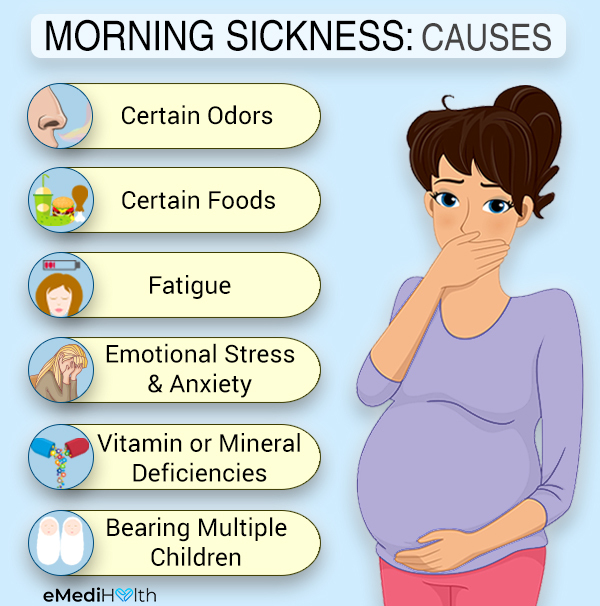
While hCG is the primary hormone responsible for morning sickness, there are other factors that can contribute to it as well. For example, estrogen levels also increase during pregnancy and may play a role in causing morning sickness. Additionally, stress, fatigue, and certain foods or smells can trigger or worsen morning sickness symptoms.
How to Manage Morning Sickness
If you're experiencing morning sickness, there are several things you can do to manage your symptoms. Here are some tips:
- Eat small, frequent meals throughout the day instead of three large meals.
- Avoid spicy or greasy foods that can trigger nausea.
- Stay hydrated by drinking plenty of water.
- Avoid strong smells that can trigger nausea.
- Get plenty of rest.
- If your morning sickness is severe, talk to your doctor about possible medication options.
When to Seek Medical Attention

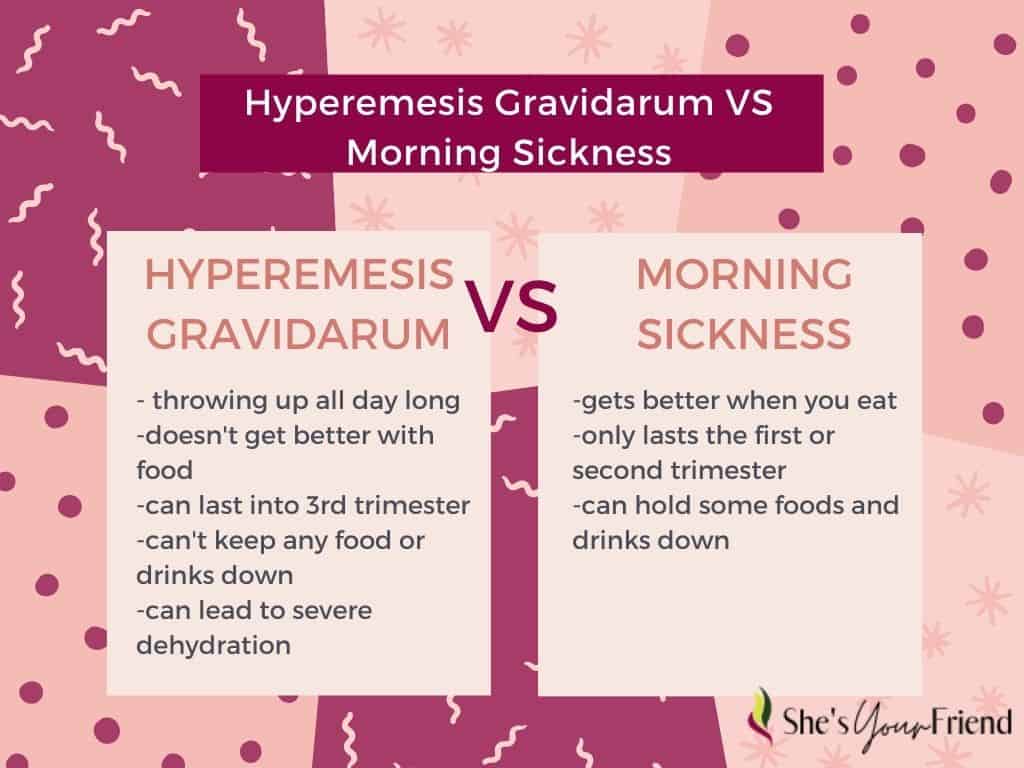
In most cases, morning sickness is a normal part of pregnancy and does not require medical attention. However, there are some situations where you should seek medical attention. These include:
- If you are unable to keep any food or fluids down.
- If you are losing weight.
- If your urine is dark or you are producing very little urine.
- If you have a high fever or severe abdominal pain.
If you experience any of these symptoms, contact your doctor right away.
Conclusion
Morning sickness is a common symptom of pregnancy that affects many women. While the exact cause is not entirely understood, it's believed that the hormone hCG plays a significant role. If you're experiencing morning sickness, there are several things you can do to manage your symptoms. However, if your symptoms are severe or you have any concerning symptoms, be sure to contact your doctor for advice.